Best Companion Plants For Beets
Title: Best Companion Plants for Beets
Introduction:
Beets are a delicious and nutritious root vegetable that is easy to grow. They are also relatively pest- and disease-resistant, making them a good choice for beginner gardeners. However, there are a few companion plants that can help to improve the growth and productivity of your beets.
In this blog post, we will discuss some of the best companion plants for beets. We will also talk about why these plants are beneficial to beets and how to plant them together.
Main Content:
Onions:
Onions are one of the best companion plants for beets. They help to repel pests such as aphids, flea beetles, and cabbage worms. Onions also help to improve the flavor of beets.
To plant onions and beets together, sow the onions first. The onions will germinate quickly and their strong scent will help to deter pests. Once the onions are a few inches tall, you can sow the beets.
Beans:
Beans are another great companion plant for beets. They help to improve the nitrogen content of the soil, which is beneficial to beets. Beans also help to suppress weeds, which can compete with beets for water and nutrients.
To plant beans and beets together, sow the beans first. The beans will germinate quickly and their roots will help to break up the soil. Once the beans are a few inches tall, you can sow the beets.
Lettuce:
Lettuce is a cool-season crop that grows well in the same conditions as beets. Lettuce also helps to suppress weeds and improve the drainage of the soil.
To plant lettuce and beets together, sow the lettuce first. The lettuce will germinate quickly and its shallow roots will help to keep the soil moist. Once the lettuce is a few inches tall, you can sow the beets.
Cabbage:
Cabbage is another cool-season crop that grows well with beets. Cabbage helps to repel pests such as cabbage worms and aphids. Cabbage also helps to improve the flavor of beets.
To plant cabbage and beets together, sow the cabbage first. The cabbage will germinate quickly and its large leaves will help to shade the beets. Once the cabbage is a few inches tall, you can sow the beets.
Radishes:
Radishes are a fast-growing crop that can be planted in the same bed as beets. Radishes help to improve the drainage of the soil and they can also help to repel pests.
To plant radishes and beets together, sow the radishes first. The radishes will germinate quickly and their roots will help to loosen the soil. Once the radishes are harvested, you can sow the beets.
Other Companion Plants:
Other companion plants that can be grown with beets include carrots, spinach, and tomatoes. Carrots help to repel pests and they can also help to improve the flavor of beets. Spinach helps to suppress weeds and it can also be harvested early, which allows you to plant beets in the same space. Tomatoes help to improve the growth of beets and they can also help to repel pests.
Conclusion:
By planting beets with companion plants, you can improve the growth, productivity, and flavor of your beets. The companion plants listed above are all beneficial to beets and they are easy to grow. So next time you plant beets, be sure to consider planting them with one of these companion plants.
Beets are a delicious and nutritious vegetable that can be grown in many different climates. They are also relatively easy to care for, making them a great choice for beginner gardeners.
One of the best ways to ensure a successful beet harvest is to plant them with companion plants. Companion plants are those that benefit each other when grown together. For beets, some of the best companion plants include:
- Onions. Onions help to repel pests that can damage beets, such as aphids and beetles.
- Beans. Beans fix nitrogen in the soil, which benefits beets and other plants.
- Lettuce. Lettuce shades the soil around beet roots, which helps to keep them cool and prevent them from being forked.
- Cabbage. Cabbage helps to deter pests that can damage beets, such as cabbage loopers and flea beetles.
- Radishes. Radishes mature quickly and can be harvested before they compete with beets for space and nutrients.
For more information about companion planting for beets, please visit Home Gardening.
FAQ of companion plants to beets
- What are some good companion plants for beets?
Some of the best companion plants for beets include:
Onions: Onions are a great companion plant for beets because they help to repel pests, such as aphids and flea beetles. They also help to improve the flavor of beets.
Beans: Beans are another good companion plant for beets because they help to fix nitrogen in the soil, which benefits both plants.
Lettuce: Lettuce is a good companion plant for beets because it helps to shade the soil and prevent it from drying out. It also helps to deter pests.
Radishes: Radishes are a good companion plant for beets because they mature quickly and can be harvested before they compete with the beets for space. They also help to repel pests.
Strong-scented herbs: Strong-scented herbs, such as chives, garlic, and mint, can help to repel pests from beets.
What plants should I avoid planting near beets?
Some plants that you should avoid planting near beets include:
Pole beans: Pole beans can shade out beets and stunt their growth.
Field mustard: Field mustard can compete with beets for nutrients and water.
Charlock (wild mustard): Charlock can also compete with beets for nutrients and water.
When is the best time to plant beets with companion plants?
The best time to plant beets with companion plants is in early spring, when the soil is still cool. This will give the plants time to establish themselves before the weather gets hot.
- How far apart should I plant beets and their companion plants?
The spacing requirements for beets and their companion plants will vary depending on the specific plants. However, as a general rule of thumb, you should space beets about 2 to 3 inches apart and their companion plants about 4 to 6 inches apart.
- How do I care for beets and their companion plants?
Beets and their companion plants require regular watering, especially during hot weather. You should also fertilize them every few weeks with a balanced fertilizer.
- How do I harvest beets and their companion plants?
Beets can be harvested when they are about 2 inches in diameter. You can harvest their companion plants as soon as they are ready to eat.
Image of companion plants to beets
10 different images of companion plants to beets that are free to use:
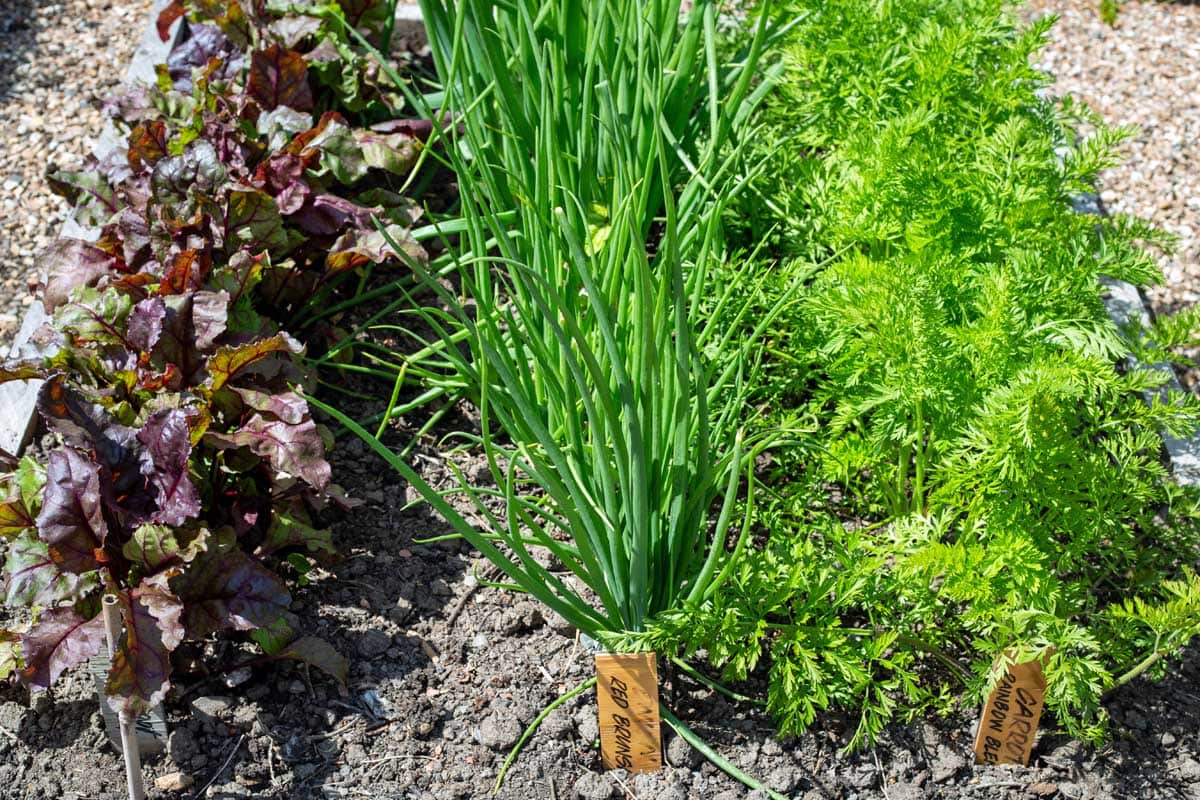
- Carrots. Carrots and beets are both root vegetables that can be planted together. They help each other by deterring pests and improving the flavor of each other's roots.
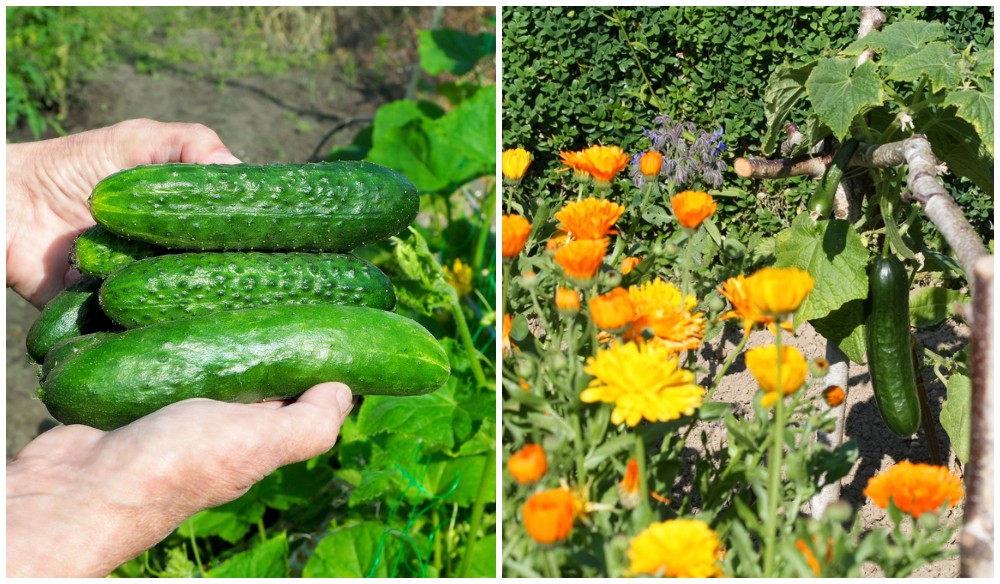
- Cucumbers. Cucumbers and beets can be planted together because they have different water needs. Cucumbers need more water than beets, so planting them together helps to keep the soil evenly moist.
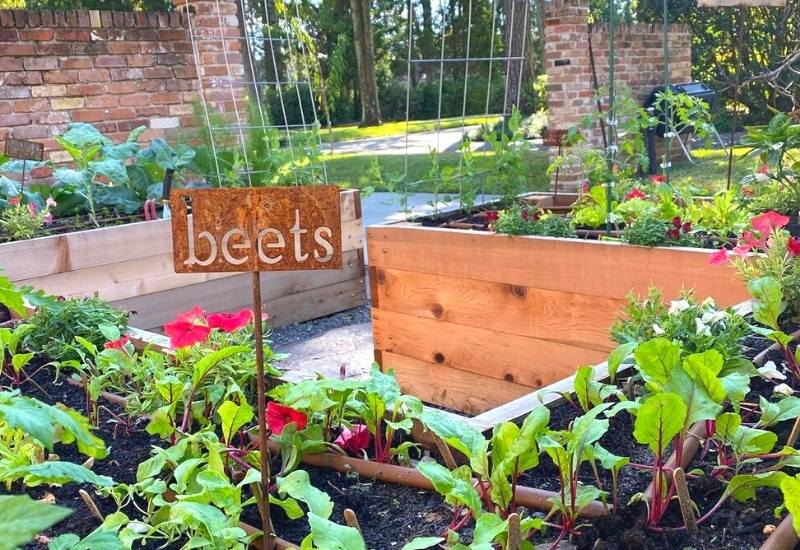
- Lettuce. Lettuce and beets are both cool-season vegetables that can be planted together. They help each other by shading the soil and preventing weeds from growing.
- Onions. Onions and beets can be planted together because they repel pests that can damage both plants. Onions also help to improve the flavor of beets.
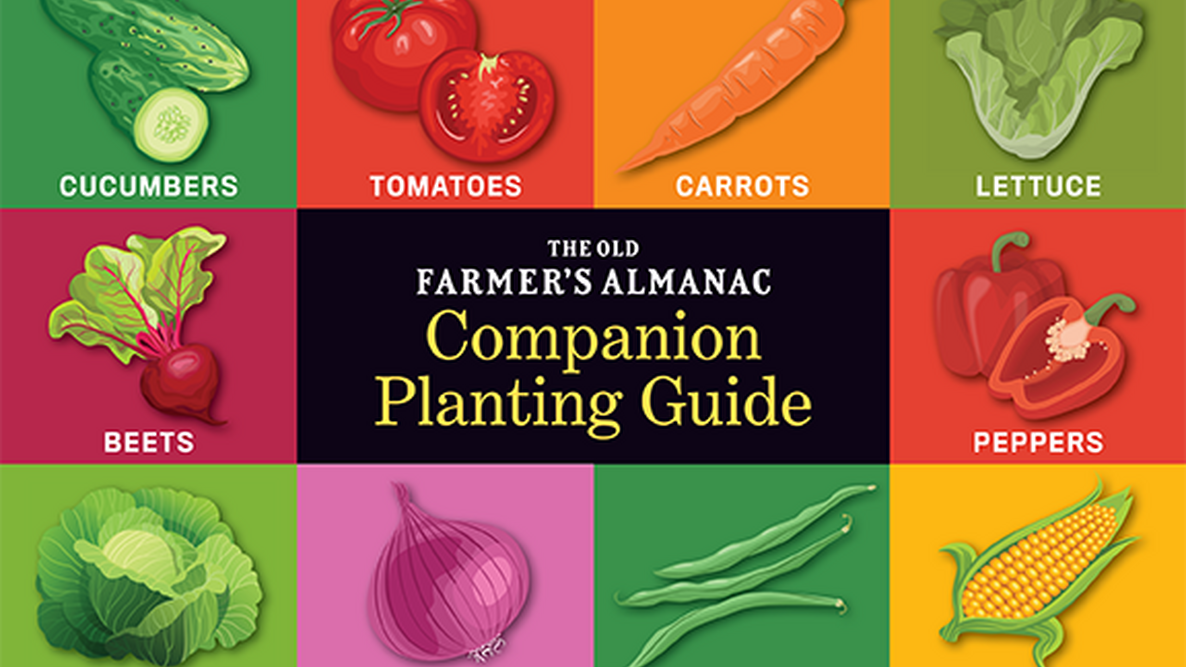
- Peas. Peas and beets can be planted together because they help each other to grow. Peas fix nitrogen in the soil, which benefits beets. Beets help to shade the soil and prevent weeds from growing, which benefits peas.
- Spinach. Spinach and beets can be planted together because they have similar water needs and growth habits. They also help each other by deterring pests.
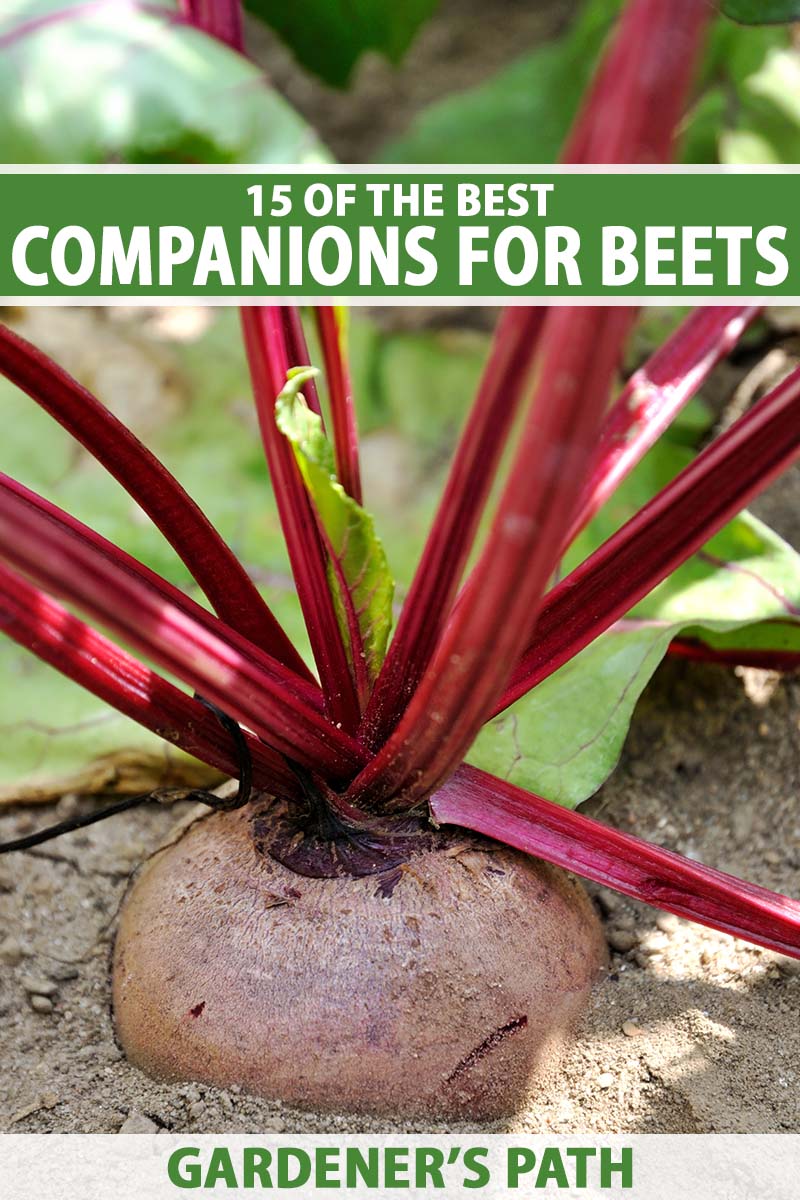
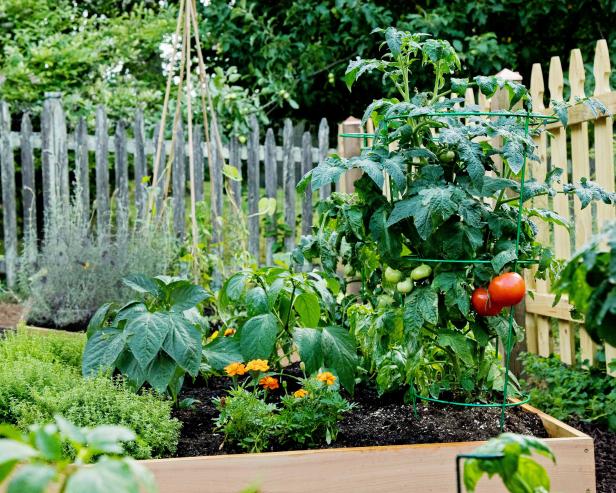
- Tomatoes. Tomatoes and beets can be planted together because they have different nutrient needs. Tomatoes need more nitrogen than beets, so planting them together helps to balance the nutrients in the soil.
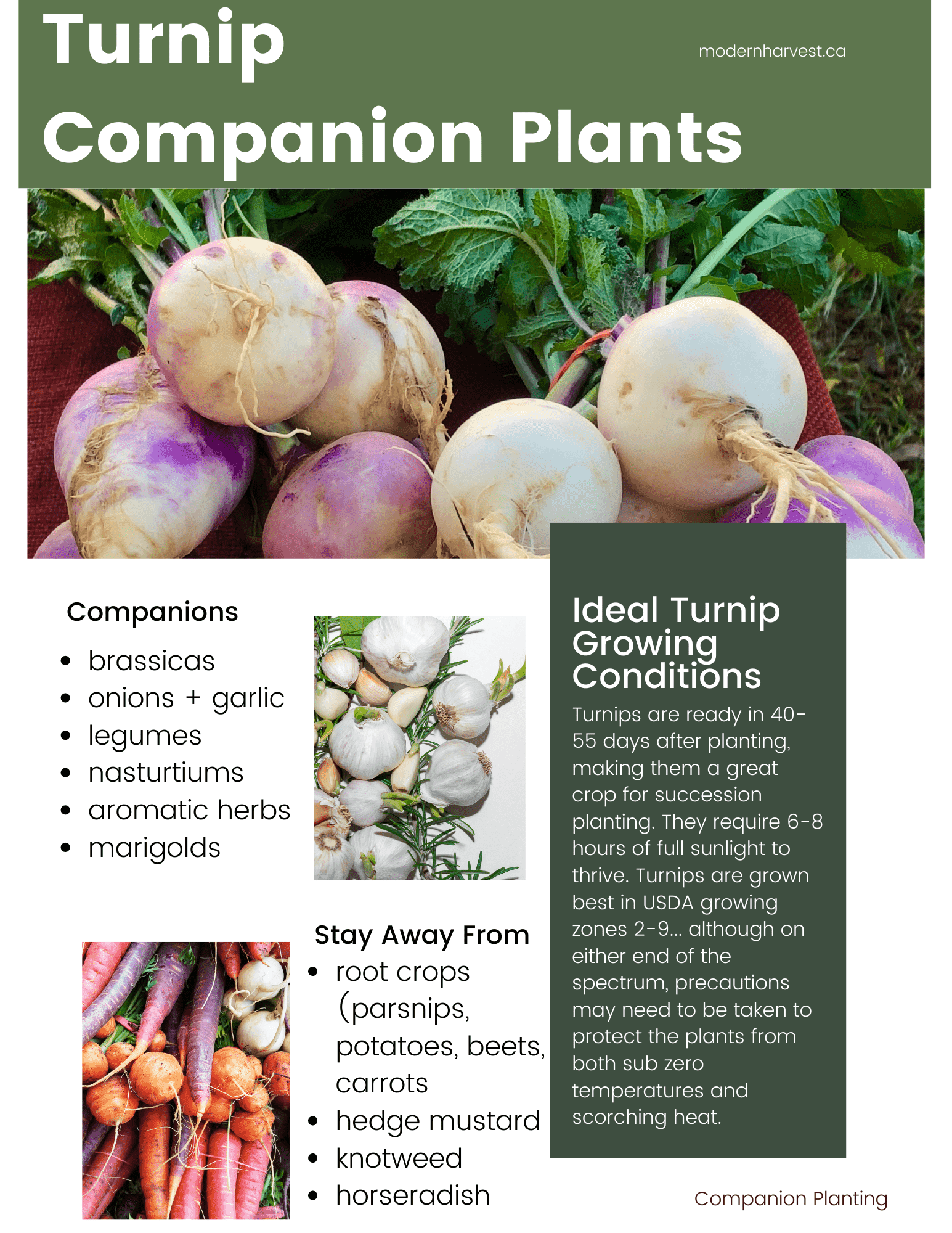
- Turnips. Turnips and beets can be planted together because they have similar water needs and growth habits. They also help each other by deterring pests.
- Herbs. Many herbs, such as basil, dill, and mint, can be planted near beets to help repel pests and improve the flavor of the beets.
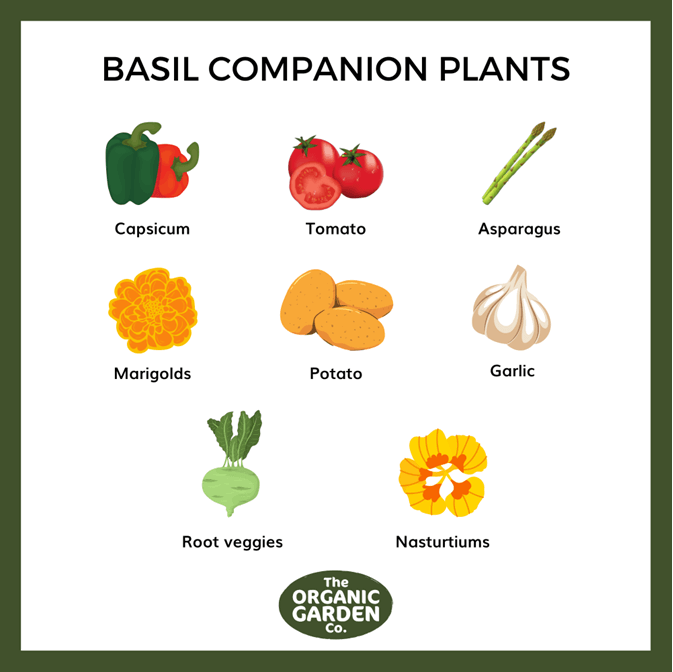
- Flowers. Some flowers, such as marigolds and nasturtiums, can be planted near beets to help repel pests.


Post a Comment for " Best Companion Plants For Beets"